Northside
Springburn · Maryhill · Forth & Clyde Canal.
Springburn was once known as the Scottish railway metropolis, home to the Cowlairs and North British locomotive works. Maryhill grew up around the Forth & Clyde Canal; rail lines and industrial edges still define the shape of both.
Violet sits furthest from every stop on the shade ramp, so Northside shifts less across the day than its neighbours; that steadiness is the point.
Live reading
The badge above is re-compositing while you read this.
The vessel silhouette stays fixed to Northside’s locked palette. The pattern layer tints itself to the current Glasgow hour, and the crowd-density dot grid tightens or loosens with a simulated rush-hour curve. Right now the mark is reading — shade at — density.
A closer look
Verified facts about Northside, beyond the postcode.
The Forth & Clyde Canal opened in 1790, linking the Firth of Forth to the Firth of Clyde across 32 miles. Its arrival in the 1760s–80s turned Maryhill from scattered farmland into a village of 3,000 by 1830, built on boat-building, iron-founding and trade.
The Maryhill Locks, engineered by R. Whitworth and built 1787–90, still carry the canal down through the district; a new footbridge at Stockingfield Junction in 2022 reconnected the towpath to neighbouring Ruchill and Gilshochill.
Springburn earned its old title of "Scottish railway metropolis" from Cowlairs Works (built 1841) and, later, the North British Locomotive Company, formed in 1903 and, at 8,000 workers, once the biggest locomotive builder in Britain, exporting engines that gave this one district a reported quarter of the entire world market.
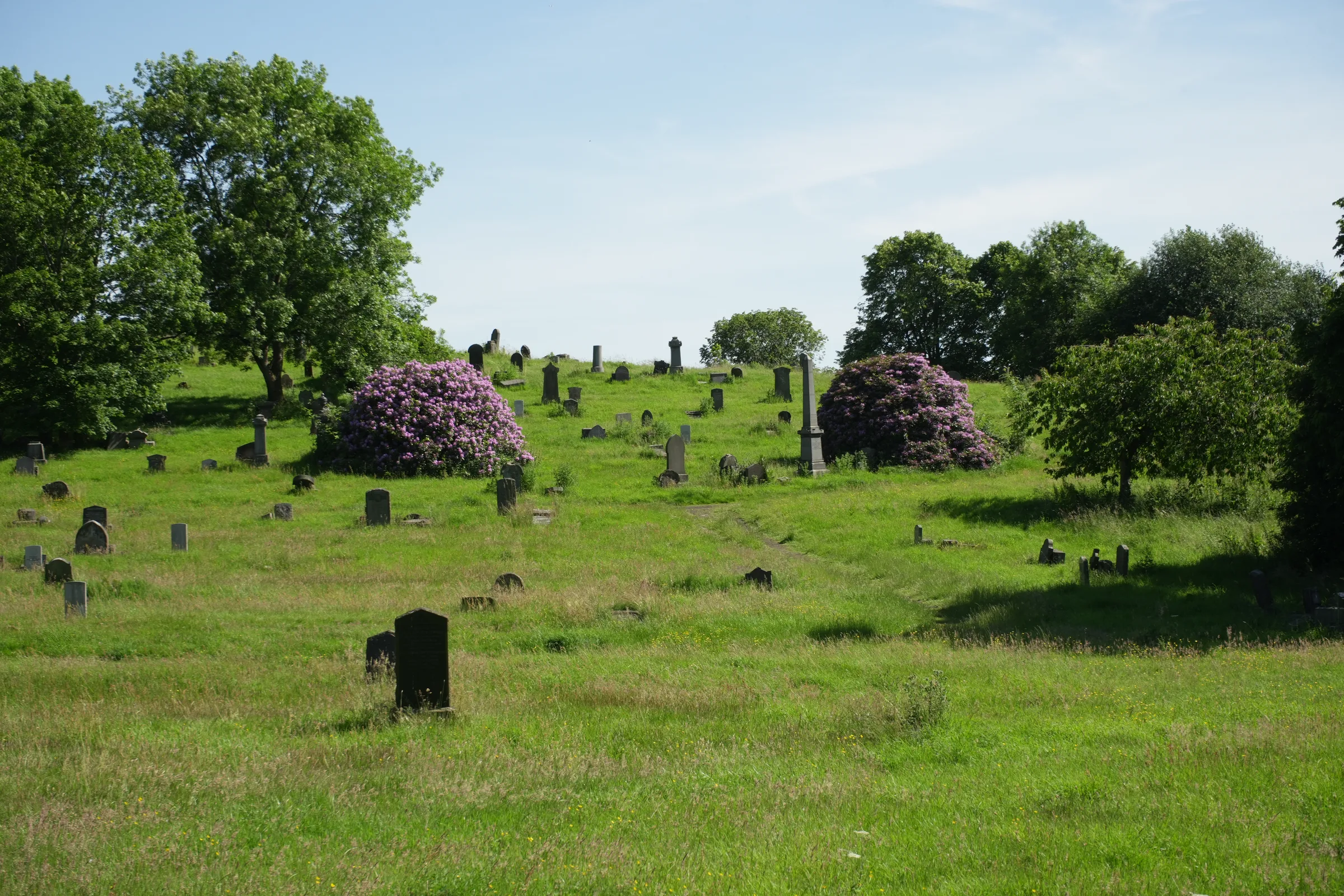
img/north - About.webpIn the world
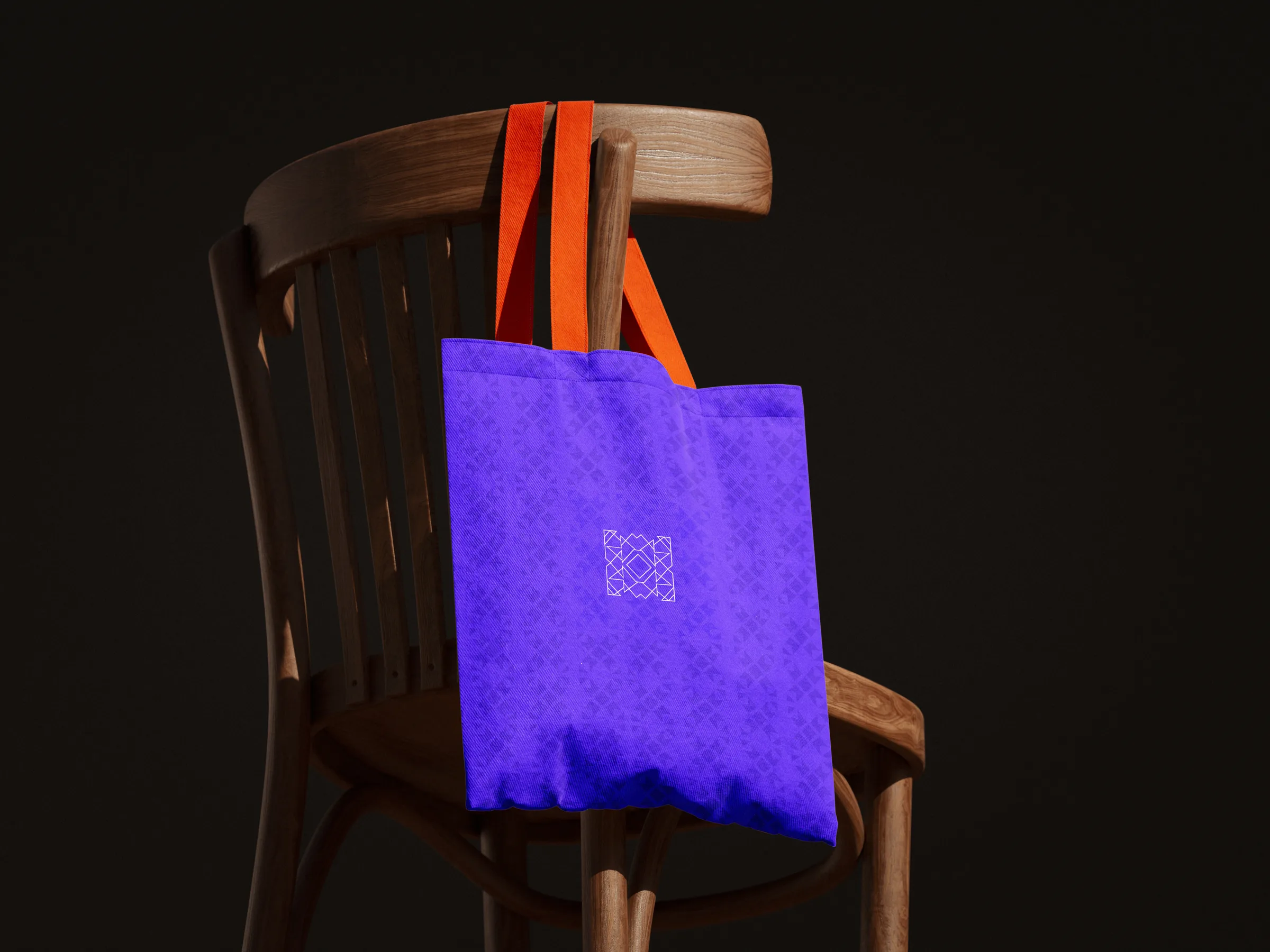
Northside’s mark on real material; apparel, tote, cap.


On the ground — Northside
Fieldwork photography from the district itself, unedited.
Where it sits
Northside against the other four. Click through to jump districts.